{"@context":"https://schema.org","@graph":[{"@type":"Service","@id":"https://gpuaas.com/gpu-cloud-usecase-pillars/video-generation#service","name":"GPU Cloud for Video Generation","provider":{"@type":"Organization","name":"GPUaaS.com","url":"https://gpuaas.com"},"serviceType":"GPU cloud infrastructure","description":"Wholesale H200, B200 and newer GPU capacity for open video models including Wan and Hunyuan, from vetted partners, in the placement you specify."},{"@type":"WebPage","@id":"https://gpuaas.com/gpu-cloud-usecase-pillars/video-generation#webpage","url":"https://gpuaas.com/gpu-cloud-usecase-pillars/video-generation","name":"GPU Cloud for Video Generation","isPartOf":{"@type":"WebSite","name":"GPUaaS.com","url":"https://gpuaas.com"}},{"@type":"BreadcrumbList","@id":"https://gpuaas.com/gpu-cloud-usecase-pillars/video-generation#breadcrumb","itemListElement":[{"@type":"ListItem","position":1,"name":"Home","item":"https://gpuaas.com"},{"@type":"ListItem","position":2,"name":"GPU Cloud","item":"https://gpuaas.com/cluster"},{"@type":"ListItem","position":3,"name":"GPU Cloud for Video Generation","item":"https://gpuaas.com/gpu-cloud-usecase-pillars/video-generation"}]},{"@type":"FAQPage","@id":"https://gpuaas.com/gpu-cloud-usecase-pillars/video-generation#faq","mainEntity":[{"@type":"Question","name":"Which GPU do I need for video generation?","acceptedAnswer":{"@type":"Answer","text":"Memory capacity, more than for any other generative workload. Video models hold multiple frames plus temporal attention state at once, so H200 at 141 GB and B200 at 192 GB open up clip lengths and resolutions that will not fit on an 80 GB card."}},{"@type":"Question","name":"How much does video generation cost?","acceptedAnswer":{"@type":"Answer","text":"More than image generation, because you produce many frames per output. The median on-demand H100 rate was $3.33 per GPU-hour across 40 providers as of 31 August 2026, with B200 averaging $7.63."}},{"@type":"Question","name":"What drives memory requirements in video models?","acceptedAnswer":{"@type":"Answer","text":"Frame count, resolution and temporal window. Doubling clip length roughly doubles the memory temporal attention needs, so a four-second benchmark tells you little about ten seconds."}},{"@type":"Question","name":"Do open video models like Wan and Hunyuan run on this capacity?","acceptedAnswer":{"@type":"Answer","text":"Wan, Hunyuan Video and the current open image-to-video models all run on the generations available through the network."}},{"@type":"Question","name":"What capacity structure suits video work?","acceptedAnswer":{"@type":"Answer","text":"Anything user-facing needs capacity standing ready, because a failure part-way through a long clip wastes the whole job. Batch rendering is more forgiving with per-clip checkpointing. Terms vary by operator."}},{"@type":"Question","name":"Does placement matter for video generation?","acceptedAnswer":{"@type":"Answer","text":"Yes, for two reasons: output file sizes make egress a real cost, and video training corpora frequently include licensed or personal material that carries residency obligations. Capacity is available in the jurisdiction you specify."}}]}]}
GPUAAS.COM · WHOLESALE GPU NETWORK / A HOSTED·AI SERVICE ◆ CAPACITY AVAILABLE · 20+ PARTNERSQUOTES < 24HREV 2026.09
+
+
GPU cloud for video generation · memory that fits
◆ AVAILABLE

GPU cloud
for video generation
, at

wholesale price.

H200, B200, B300, GB300, Vera Rubin and more from vetted partners, sized for the memory that temporal models actually need, at
~30% less than hyperscale. Quotes in under 24 hours.

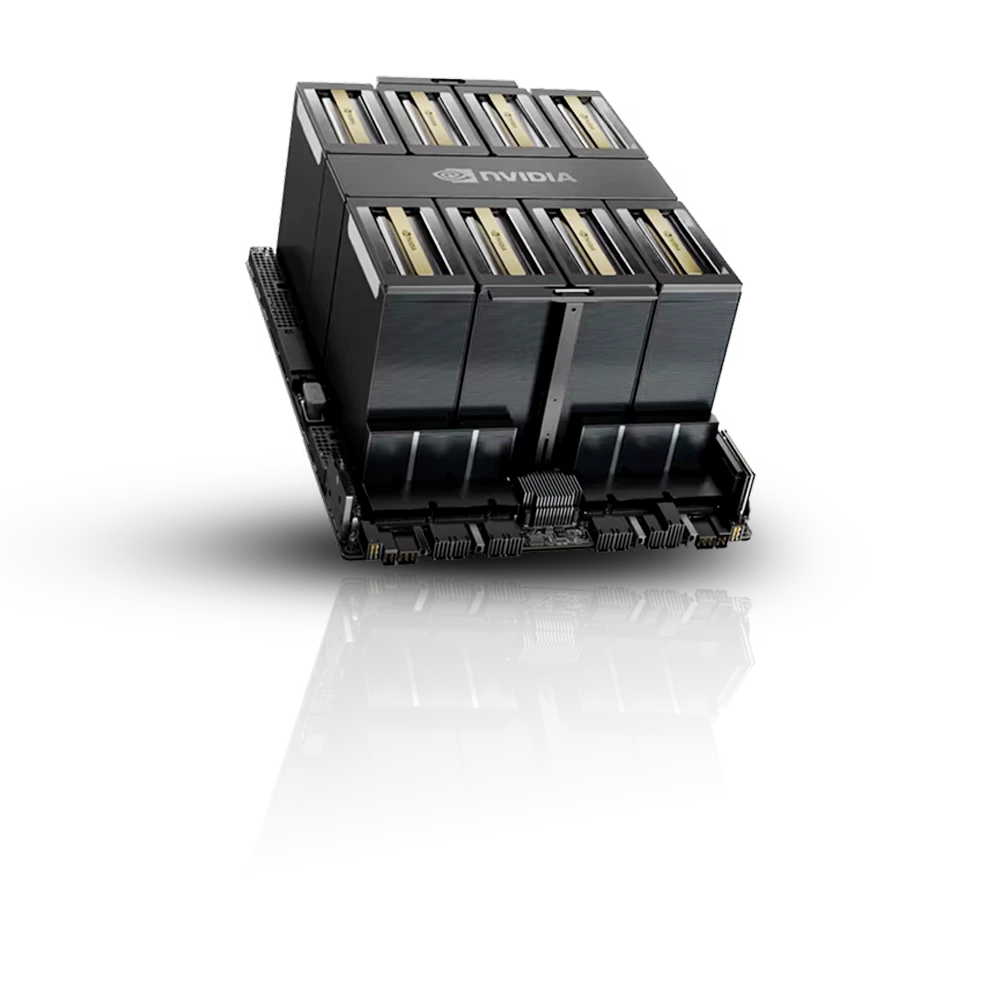
HGX GPU node
GPU generations
4
Architectures
Hopper + Blackwell
Vetted partners
20+
Quote turnaround
24 hrs
Commitment
Short / long
QUOTES IN UNDER 24 HOURS VETTED PARTNERS WORLDWIDE SHORT OR LONG TERM COMMITMENT DIRECT OPERATOR CONTRACTS CAPACITY AVAILABLE NOW PLACEMENT YOU SPECIFY
◆ THE SHORT ANSWER

Video is the one generative workload where memory capacity genuinely binds. Temporal models hold many frames in memory at once, so a job that fits comfortably for images will not fit for video at the same resolution. This is where 141 GB and 192 GB per GPU stop being a specification and start deciding whether the job runs at all. We have H200, B200 and newer capacity from vetted partners, at wholesale rates.

+
01
◆ MEMORY

What clip length each generation holds

Temporal models hold many frames at once, so memory capacity decides whether a job runs at all before it decides what it costs.

H100 · 80 GB
Short clips at moderate resolution only
fits 4-6s
H200 · 141 GB
Longer clips, or higher resolution at short length
fits 8-12s
B200 · 192 GB
Long clips at production resolution on one node
fits 15s+
Split across two GPUs
Temporal attention divided, which costs throughput
slower per clip
+
02
Where video capacity earns its keep

What video actually demands, clip by clip.

/01

Text-to-video generation

Generate clips from prompts where the temporal window sets your memory floor. Single-node placement wherever the job fits, because splitting temporal attention costs throughput.
Wan · Hunyuan · 192 GB
/02

Image-to-video

Animate stills at production quality, where the reference frame plus temporal state exceeds what an 80 GB card holds at useful resolutions.
I2V · reference frame · high res
/03

Batch rendering

Render at volume for catalogues and synthetic datasets, checkpointing per clip so a failure costs one output rather than the batch.
Batch render · per-clip checkpoint
/04

Model adaptation

Fine-tune or adapt video models on proprietary footage, where both the corpus and the output carry rights and residency obligations.
Adaptation · licensed footage · residency
+
03
◆ LIVE NETWORK · 12 LOCATIONS

Vetted GPU partners worldwide, sized for temporal models.

Video output is large, so placement near your storage and your users changes the bill as much as the hourly rate. Tell us where you need the capacity and you contract directly with the operator.

4
GPU GENERATIONS
20+
VETTED PARTNERS
12
PLACEMENT OPTIONS
24h
QUOTE TURNAROUND
USA CAN UK DEU FRA NLD UAE SAU IND SGP JPN AUS
+
04
◆ HOW IT WORKS

A matchmaker, not a marketplace.

We connect you to our vetted partners. You contract directly with the operator running your nodes.

STEP 01/4
01

Tell us the requirement

GPU model, count, placement and timeline. Add workload detail if you have it.

STEP 02/4
02

We match capacity

We find vetted partners with capacity that fits, in the jurisdiction you need.

STEP 03/4
03

Quotes in 24 hours

Real quotes from partners who hold the capacity, not listings that may not exist.

STEP 04/4
04

Contract and provision

You contract directly with the operator. We smooth the provisioning process.

below hyperscale list. Same silicon, wholesale rates.
stop overpaying for compute.
~30%
◆ RATES VARY BY GENERATION, TERM AND PLACEMENT
+
05
◆ FAQ

Frequently Asked Questions

Q1
Which GPU do I need for video generation?

Memory capacity, more than for any other generative workload. Video models hold multiple frames plus temporal attention state simultaneously, so H200 at 141 GB and B200 at 192 GB open up clip lengths and resolutions that will not fit on an 80 GB card. For short clips at moderate resolution an H100 still works. All of those generations are available through the network.

Q2
How much does video generation cost?

Considerably more than image generation, because you are producing many frames per output. Market-wide the median on-demand H100 rate was $3.33 per GPU-hour across 40 providers as of 31 August 2026, with B200 averaging $7.63. For video the higher hourly rate often wins on cost per clip, because fitting the job on one node avoids the overhead of splitting it.

Q3
What drives memory requirements in video models?

Frame count, resolution and temporal window, in that order. Doubling clip length roughly doubles the memory the temporal attention needs. Many teams discover this after benchmarking on four-second clips and then trying ten. Size for your longest intended output, not your test case.

Q4
Do open video models like Wan and Hunyuan run on this capacity?

Wan, Hunyuan Video and the current open image-to-video models all run on the generations available through the network. Closed models accessed through an API are a different procurement question, but if you are self-hosting an open video model the hardware is here.

Q5
What capacity structure suits video work?

Anything user-facing needs capacity standing ready, because a failure part-way through a long clip wastes the whole job. Batch rendering is more forgiving if you checkpoint per clip rather than per batch. Commitment terms vary by operator.

Q6
Does placement matter for video generation?

Yes, for two reasons. Output file sizes make egress a real cost, so placement near your storage and your users matters more than for text. And video training corpora frequently include licensed or personal material, which brings residency obligations. Tell us the jurisdiction you need and we return rates for capacity there.

◆ GET A QUOTE
Request wholesale rates

in under 24 hours.

Tell us the essentials. We'll line up real quotes from our vetted wholesale partners, and you contract directly with the operator.

Quotes in under 24 hours
Direct contact with operators
Vetted partners, matched to your requirement
20+ vetted providers · 10 regions
Contact
Full Name *
Business Email *
Organization *
Thank you! Your submission has been received!
Oops! Something went wrong while submitting the form.
GPU Requirements
GPU Model *
PRE-SELECTED
Number of GPUs *
Individual GPU count. 1 node = 8 GPUs.
Get the Best Deal
Thank you! Your submission has been received!
Oops! Something went wrong while submitting the form.